What to Expect This Hurricane Season in Florida
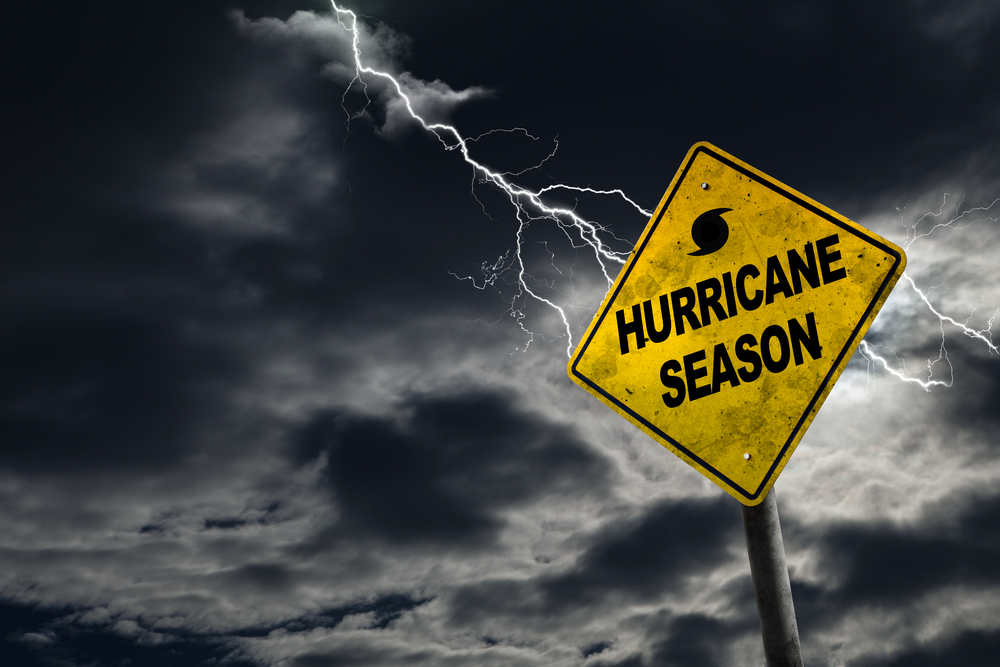
June 1st marks the beginning of hurricane season in Florida, a period that lasts until November 30th. Historically, the first named system typically forms in the Atlantic around June 20th. This year, forecasts are predicting a hyperactive hurricane season, so it’s essential to stay informed and prepared.
Last Year’s Calm Before the Storm
In the previous year, only one hurricane directly impacted the US mainland. This relatively calm season was largely due to the El Niño cycle, which suppresses hurricane activity in the Caribbean, Gulf, and Atlantic regions.
The Shift to La Niña
This year, however, we’re experiencing a La Niña pattern. La Niña is characterized by cooler water in the Pacific Ocean, which influences weather patterns globally. For Florida, this means storms are more likely to form and intensify in the Caribbean before potentially making their way to the US mainland.
What Does This Mean for Florida?
With the shift to La Niña, residents and property owners in Florida should be especially vigilant. The likelihood of hurricanes and severe storms making landfall in the state is higher, necessitating thorough preparedness. Here are some tips to help you get ready:
- Stay Informed: Keep up with the latest weather updates and forecasts from reliable sources.
- Prepare Your Property: Ensure your home is fortified against high winds and heavy rains. Check your roof, windows, and doors for any vulnerabilities.
- Have an Emergency Plan: Develop a family emergency plan, including evacuation routes and a communication strategy.
- Stock Up on Supplies: Make sure you have enough food, water, medications, and other essential supplies to last at least a week.
Preparing for Hurricane Season in Florida: New Forecasts and Safety Tips
The National Hurricane Center (NHC) has made significant changes to how they forecast storms this year, putting more emphasis on the wide-reaching impacts of hurricanes. Starting around August 15th, the NHC will implement an experimental forecast cone that focuses on a “hazards-first” approach. This change comes just a month before the peak of hurricane season, and it’s designed to help residents better understand the potential risks and prepare accordingly.
Understanding the New Forecast Cone
The traditional forecast cone focused on the path of the storm’s center, but the new approach emphasizes the hazards associated with the storm, such as wind, rain, and storm surges. This shift aims to provide a clearer picture of the potential impacts over a wider area, helping residents make better-informed decisions.
Insurance and Preparation Tips
When a hurricane watch is issued 48 hours before a storm or hurricane is expected to hit, most insurance companies will place a moratorium on new and existing policies. This means you won’t be able to modify or purchase new insurance coverage at the last minute. To avoid being caught unprepared, here are some crucial steps to take:
- Update Your Policies: Ensure your insurance policies are current and cover any recent home improvements or remodels. Speak with your insurance agent to confirm your coverage is adequate.
- Document Your Property: Before a storm hits, document your home and personal belongings with photos or videos. This will help with insurance claims later.
- Secure Important Documents: Gather essential documents, such as insurance policies, wills, deeds, financial information, tax returns, and personal identification. Store these in a sealed Ziploc bag, scan them onto a laptop or hard drive, or upload them to the Cloud to ensure they are safe and accessible.
- Consider Renters Insurance: If you’re renting, now is the time to get renters insurance to protect your belongings.
After the Storm: What to Do
In the aftermath of a hurricane or storm, it’s important to handle the situation methodically:
- Document Damage: Before you start any cleanup, take photos or videos of the damage to provide proof for insurance claims.
- File Claims Promptly: Use the documentation to file insurance claims as soon as possible. This will also help with substantiating losses for income tax purposes.
- Evacuate Safely: If evacuation is necessary, take your important documents with you in a secure, waterproof container.
Final Thoughts
Preparing for hurricane season involves more than just watching the weather; it requires proactive steps to secure your home and ensure you have the necessary documentation and coverage. By following these tips and staying informed with the NHC’s new hazard-focused forecasts, you can face this hurricane season with greater confidence and resilience.
While the prospect of a hyperactive hurricane season can be daunting, being informed and prepared can make a significant difference. Stay safe and take the necessary steps to protect your home and loved ones.
Stay safe and prepared this hurricane season!